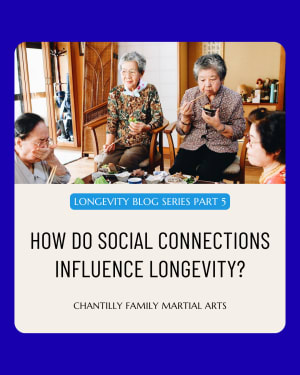
One of the most profound contributors to Okinawan longevity is not found in diet or exercise, but in community. Long before studies confirmed that strong social bonds improve health and extend life, Okinawans were already practicing a powerful cultural tradition called moai—a lifelong circle of friends who support one another emotionally, socially, and even financially. This tradition offers a powerful antidote to the isolation and disconnection that plague many modern societies, particularly among the elderly. In Okinawa, no one ages alone. What Is a Moai? The word moai (pronounced “mo-eye”) roughly translates to “meeting for a common purpose.” Traditionally, moai groups were formed in childhood and persisted for decades, even lifetimes. Members gather regularly to: Share meals Celebrate milestones Check in on each other’s well-being Lend emotional or financial support when needed These aren’t casual acquaintances—they’re chosen families. Social Support That Saves Lives Studies show that people with strong social ties live longer, recover faster from illness, and experience lower levels of stress and depression. In Okinawa: Seniors meet regularly for group activities like dance, tea, or exercise Neighbors look after one another, especially those who live alone Friendship networks are intergenerational, spanning decades This regular interaction builds a deep sense of trust, connection, and shared responsibility. When you’re part of a moai, you’re never forgotten. Emotional Resilience Through Belonging A sense of belonging isn’t just nice to have—it’s a key factor in emotional health and longevity. Moai members: Laugh together Share stories and family news Offer comfort during loss or hardship This emotional cushion helps Okinawans navigate life’s challenges with grace and optimism. The result is not only a longer life—but a happier one. Personal Reflection My own extended Okinawan family embodies this spirit of moai. My wife’s mother, now 93, maintains lifelong friendships with neighbors and relatives. Even as her physical strength gently declines, her social calendar remains full. Daily phone calls with friends and family—even across oceans—help her feel connected, grounded, and cared for. These bonds are as vital to her health as any nutrient or exercise. Takeaway In Okinawa, aging is not a solitary journey—it’s a shared experience, supported by community, trust, and love. You don’t need to live on an island to benefit from this lesson. You can cultivate your own “moai” by: Reconnecting with old friends Forming regular meetup groups around shared interests Checking in on neighbors or loved ones, especially those who live alone Prioritizing meaningful conversations and time together over digital connection Are you ready to explore the Okinawan secrets to living well? Join our Blue Zone Fitness & Wellness classes to learn more! The Blue Zone Blog Series will be posted weekly. In the final part 6 of our series, we’ll explore the ultimate Okinawan secret to longevity: ‘ikigai’—a reason for being that gives each day purpose and joy.